We did it – the majority of Europe voted to ban bee pesticides!
It’s the world’s first continent-wide ban on these chemicals and it’s a moment our movement can be proud of.
Someone who has nothing to be proud of is the UK environment minister Owen Paterson, who not only voted against the ban, but lobbied on behalf of chemical giants Syngenta and Bayer to try and stop it going through. Paterson in a private letter even promised Syngenta that his “efforts would intensify” in the run-up to the vote [1].
Well, Mr Paterson, you lost. The bees won.
We know the current UK government has a disastrous track record on protecting our world – from climate change to bees. That’s why so much of our work on this campaign has focused on mainland Europe, where we managed to shift big countries like Germany who yesterday gave the ban their critical backing. That’s what a global network allows us to do.
Although we’ve been working in Europe against these bee-killing chemicals for years, here are a few of the things we’ve done in the past two weeks:
- Campaigning on the ground in 12 key countries
- Massive banner dropped on Syngenta’s HQ in Basel, Switzerland on 17th April
- Turning the Austrian ministry of agriculture into a giant honeycomb on 18th April
- Protest with hives outside Syngenta’s annual general meeting in Switzerland on 23rd April
- Giant banner on roof of Bayer’s annual general meeting in Cologne, Germany on 26th April
- ‘Funeral for the queen bee’ at a Bayer factory in the Netherlands on 26th April
- Joint ‘March of the Beekeepers’ with other campaigning organisations in Parliament square in the UK on 26th April
Although we failed to shift our UK representative Owen Paterson to support the ban, our movement still managed to shift the critical players across Europe and get the ban we all want.
And therein lies our strength. Like the bees who roam from field to field oblivious of the fences that divide their flowers, we’ll go wherever we need to in order to protect our environment and the world we live in.
Yesterday we showed the real strength of our global movement and achieved a remarkable success. We need more of these.
Share the good news on Facebook to show exactly what we can achieve together.
The more of us who do it, the more we will win.
Still buzzing,
James
PS Although this is a major success, our work is just starting. Have a read of our Bees in Decline report to find out more.
[1] http://www.guardian.co.uk/environment/2013/apr/28/europe-insecticides-ban-save-bees
Forward this email to a friend
We don’t accept any money from companies or governments so we can be independent and challenge anyone who threatens the planet or peace. To help us keep fighting climate change, defending our oceans and protecting ancient forests, you can make a regular donation by direct debit. Thank you!
Greenpeace Ltd, Canonbury Villas, London N1 2PN (registered in London no 1314381, VAT registration no 625951426)
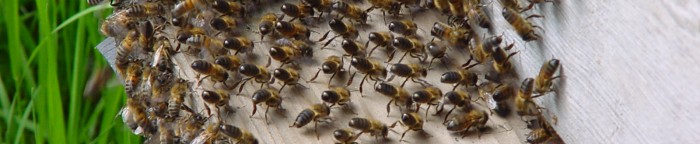
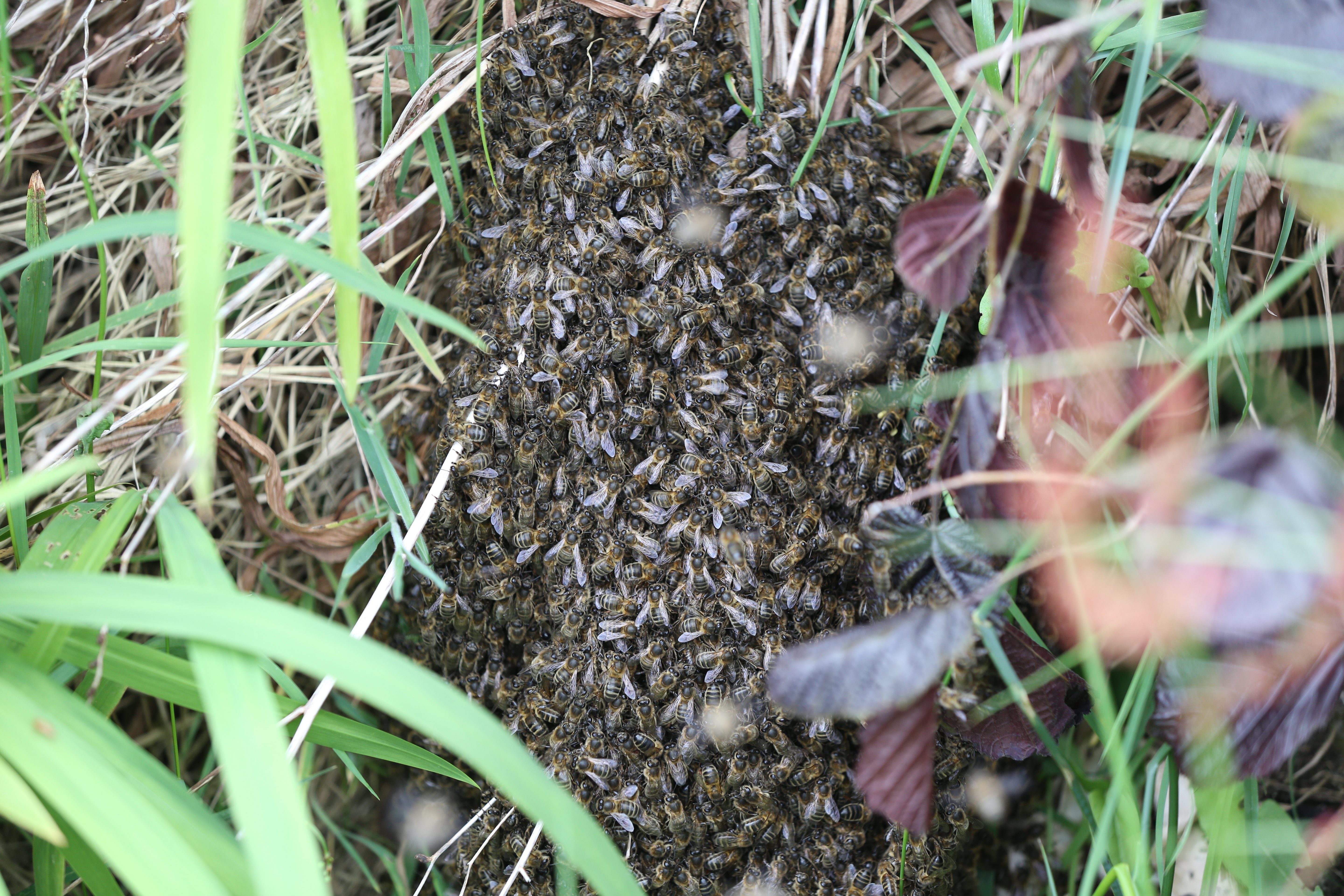 So we put a carboard box over it and allow a small space for the bees to go in and out and after a couple of hours they are all settled inside the box, so obviously the queen bee is in the box too.
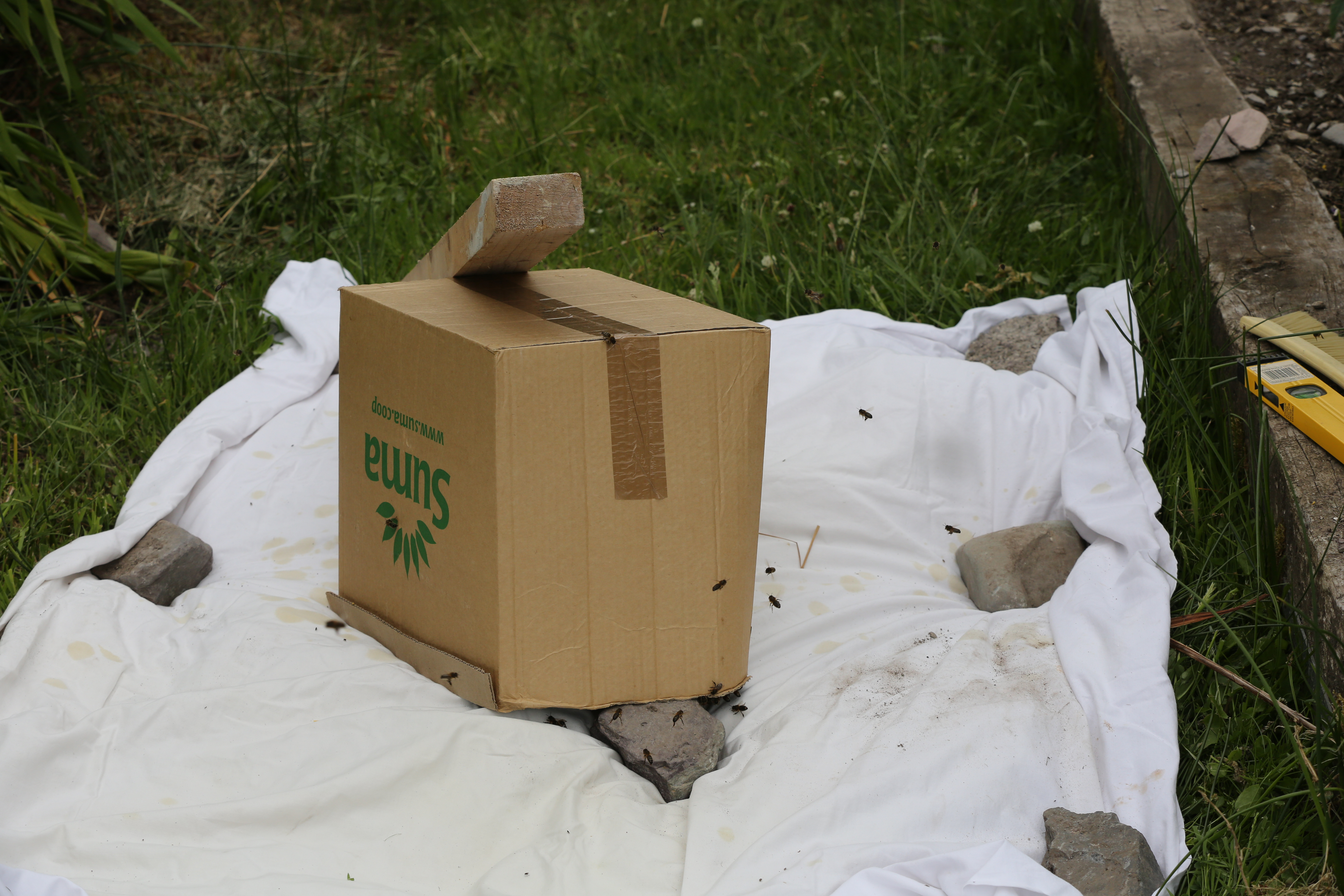 And then in the evening we wrap-up the box in the sheet so the bees are secure inside, and take the box over to the place where we want them to establish their colony in one of our empty hives that is ready and waiting. We unwrap the box and open out the white sheet so it forms a carpet from the box to the hive and then we shake the swarm out onto this carpet of white bed linen…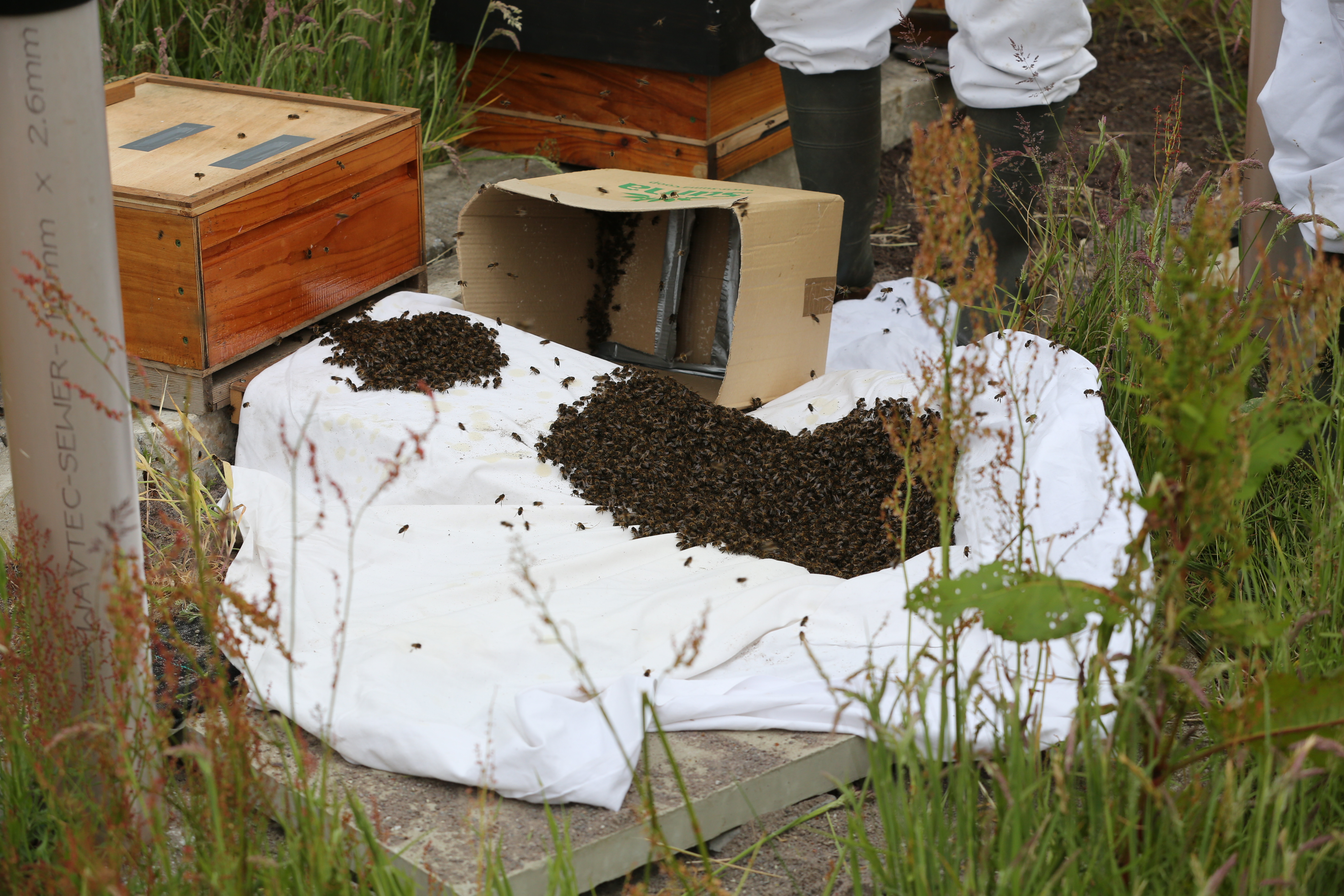
 Iveragh Beekeepers Association