 Image copyrightPA
An invasive hornet that kills honey bees has been spotted in Britain for the first time, experts have confirmed.
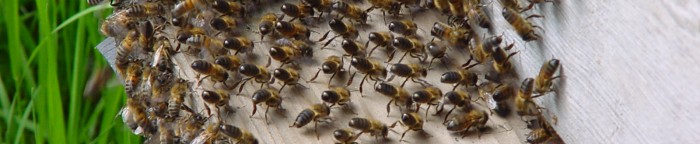
Image copyrightPAAn invasive hornet that kills honey bees has been spotted in Britain for the first time, experts have confirmed.
It was in the reign of Queen Victoria that the first foreign honeybees were imported into the UK and our weather-hardy, chocolate-coloured brown bee began to fall out of fashion. Before this, all beekeepers in Britain kept the British Isles’ very own native subspecies of dark European honeybee (Apis mellifera mellifera).
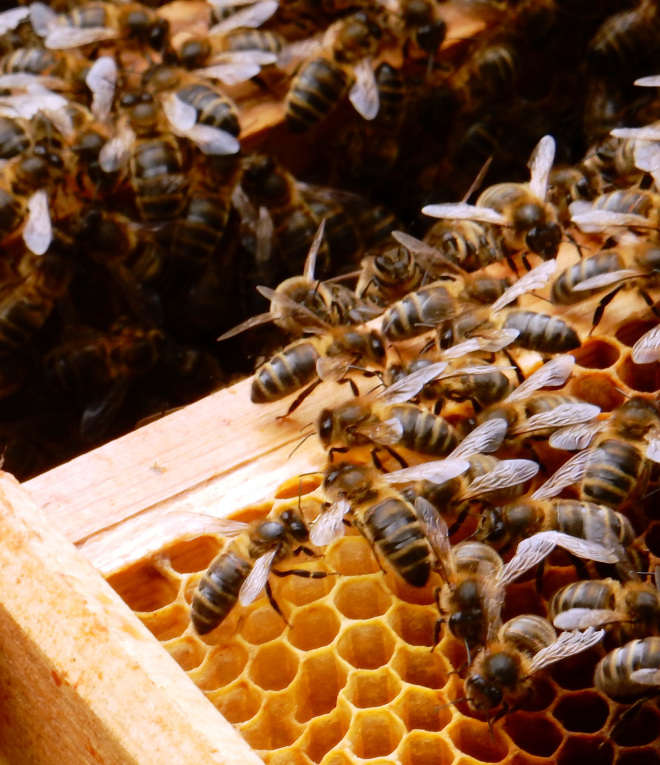
Later, during the First World War, a bee plague called the Isle of Wight disease, possibly a virus brought in with imported stocks, was said to have eradicated our native dark bee completely. To quickly refill the empty hives regular imports of the Carniolan honey bee (Apis mellifera carnica), the Italian bee (Apis mellifera ligustica) and other races became the norm and the old dark bee was replaced in both our apiaries and affections with a yellow one.
Striped yellow bees are now the accepted stereotype. Crosses between subspecies now populate the British Isles with an assortment of varicoloured…
View original post 566 more words

 Iveragh Beekeepers Association